Enhance Your Outdoors With Professional Hardscaping Offerings
Transforming outside areas through professional hardscaping services offers both useful and beautiful advantages. By utilizing durable materials for features like patios and retaining walls, homeowners can raise their property's value. Professional installation guarantees observance with local regulations and precise execution. Understanding the details of hardscaping design is vital for creating a integrated outdoor environment. What are the fundamental elements to ponder when starting this transformative journey?
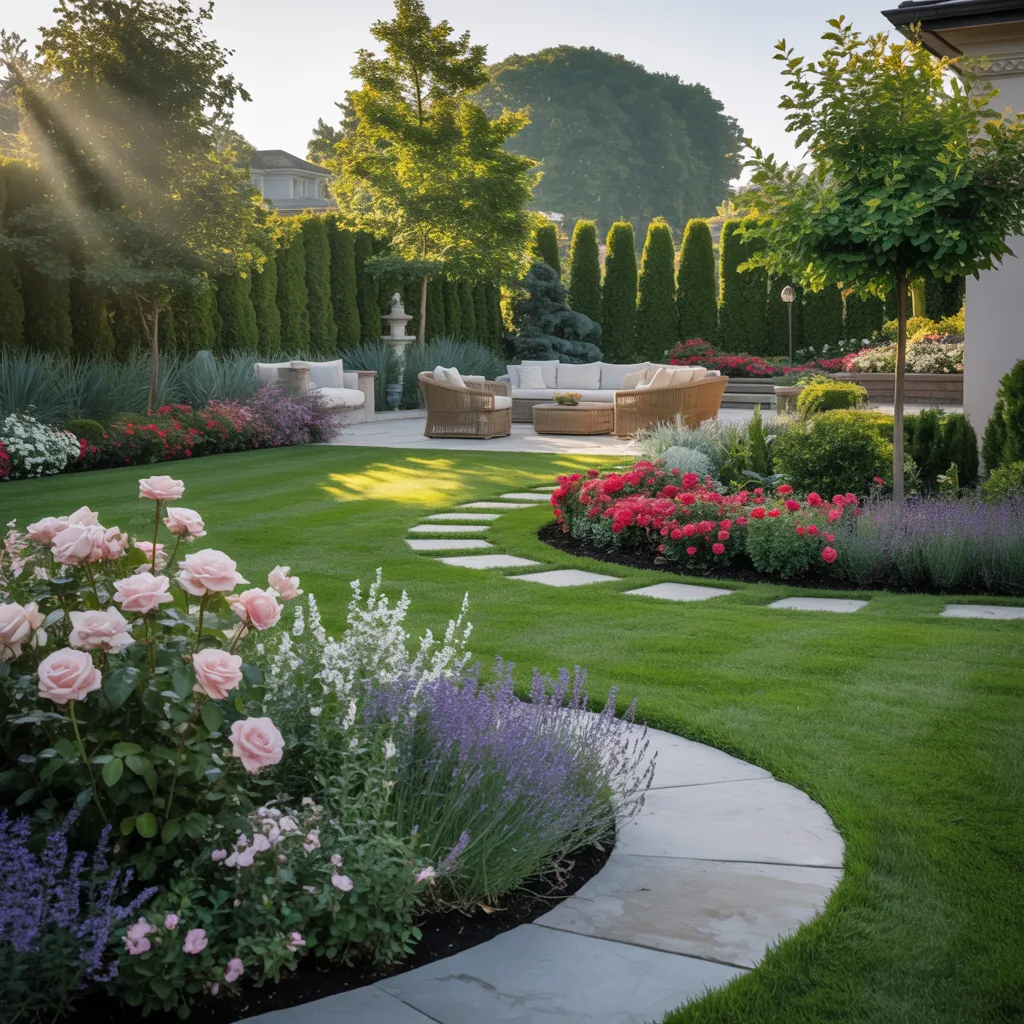
What Is Hard Landscaping and Why Is It Essential?
Hardscaping, an fundamental element of landscape design, encompasses the non-botanical features of outdoor spaces, such as patios, walkways, and retaining walls. This aspect of landscaping furnishes structure and functionality, enhancing the usability of outdoor areas. Hardscaping elements answer multifaceted purposes: they generate pathways for movement, establish spaces, and lend aesthetic appeal.
Additionally, hardscape installations play an important function in water management, helping to control drainage and avoid erosion. Properly designed structures can decrease water runoff, fostering healthier garden areas. Furthermore, hardscaping enhances property equity by improving curb character and delivering practical outdoor living solutions.
Adding outdoor hardscape installations enables homeowners to relish their outdoor spaces year-round, offering areas for unwinding, gatherings, or sports. Overall, hardscaping contributes greatly to the overall aesthetic and practical aspects of outdoor environments, making it an essential consideration for any landscape project.
Determining ideal hardscape picks
Choosing appropriate hardscaping materials requires meticulous evaluation of both strength and visual charm. Resilient materials guarantee longevity and protection from weather, while aesthetic design choices enhance the overall look of outdoor spaces. Balancing these factors is essential for creating a practical and beautiful environment.
Material Durability Factors
When selecting hardscaping materials, durability plays an important role in ensuring durable outdoor features. Homeowners should consider various factors such as climate, foot traffic, and possible wear due to environmental elements. For instance, natural stone and concrete offer high durability, making them suitable for patios and walkways. Conversely, less durable options like wood may require more maintenance and are susceptible to weathering. Additionally, understanding the material's resistance to stains, cracking, and fading can greatly impact its longevity. Proper installation techniques also enhance durability, ensuring that the hardscaping withstands the test of time. Ultimately, choosing the right materials, aligned with specific needs and environmental conditions, is vital for achieving enduring outdoor spaces.
Aesthetic Design Choices
While practicality is important in hardscaping, aesthetic design choices greatly influence the overall look of outdoor spaces. The choice of materials plays a key role in creating a balanced look. Natural stone, for example, offers a rustic charm, while pavers provide a more structured appearance. Color, texture, and pattern should be carefully considered to complement existing architecture and landscaping. Incorporating elements like retaining walls, pathways, and patios can enhance aesthetic appeal. Additionally, integrating sustainable materials can promote an eco-friendly aesthetic. The balance between style and practicality ensures that hardscaping not only looks attractive but also fits seamlessly into the environment, creating welcoming outdoor areas that are both stunning and functional.
Critical Components of Effective Hardscaping Design
Effective hardscaping design features several essential components that improve both practicality and aesthetics. Firstly, materials play a important role; selections like stone, brick, and concrete not only affect the visual appeal but also impact durability. Secondly, layout is crucial; well-structured paths, patios, and retaining walls create unified outdoor spaces while optimizing flow. Third, drainage solutions must be applied to prevent water accumulation, ensuring long-lasting use and functionality. Additionally, integrating elements such as steps, borders, and seating areas can enhance usability and comfort. Finally, lighting is important for safety and ambiance, permitting outdoor spaces to be used after sunset. By taking these components into account, hardscaping can turn outdoor areas into functional and visually appealing environments, encouraging outdoor activities and increasing property value. Ultimately, effective hardscaping design is a combination of functional and aesthetic elements that work together seamlessly.
Perks of Using Experienced Hardscaping Solutions
Engaging expert outdoor construction offers many benefits that enhance both the functionality and beauty of exterior areas. Skilled professionals deliver advanced expertise and skills, making certain projects are executed with precision and care. They comprehend local regulations and environmental factors, helping to avoid potential setbacks.
Furthermore, experienced service providers deliver access to superior materials and cutting-edge techniques, yielding robust and attractive-looking installations. This not only extends the durability of hardscaped features but also increases property value of the property.
Furthermore, experienced hardscapers can transform demanding landscapes into usable spaces, optimizing outdoor areas for social gatherings, tranquility, or horticulture. Their design proficiency allows for cohesive visual design, integrating hardscape elements seamlessly with current landscapes. Ultimately, hiring experts can save time and decrease the likelihood of costly errors, confirming a satisfying and accomplished outdoor enhancement.
Which hardscaping features are leading in 2023?
As outdoor design trends evolve, 2023 brings a new surge of innovations in hardscaping that cater to both aesthetics and functionality. One notable trend is the application of eco-friendly materials, such as permeable pavers and recycled stone, which not only improve visual appeal but also encourage environmental responsibility. Designers are increasingly blending natural elements with contemporary design, creating seamless connections between hardscapes and landscapes.
Another popular development is the combination of multifunctional outdoor spaces. Fire pits, seating walls, and outdoor kitchens are becoming read here essential components, allowing homeowners to maximize their outdoor living areas. Additionally, bold geometric patterns and vibrant colors are increasing in demand, adding a contemporary flair to traditional designs.
Advanced technology is also making an impact in hardscaping, with features like automated lighting and irrigation systems enhancing convenience and energy efficiency. Overall, 2023's hardscaping trends stress a harmonious mix of style, sustainability, and practicality.
Hardscaping Maintenance Advice for Lovely Spaces
Caring for beautiful hardscaping requires consistent cleaning and seasonal care. Regular cleaning techniques help prevent buildup of soil and waste, ensuring areas maintain their appeal. Additionally, following specific seasonal guidelines can shield hardscaped zones from weather-related wear and tear.
Routine Cleaning Practices
Maintaining the appearance and longevity of hardscaping features relies heavily on regular cleaning techniques. To keep these outdoor structures well-maintained, consistent sweeping is necessary to remove debris and stop stains. Pressure washing offers an effective solution for deeper cleaning by removing dirt, algae, and mold that accumulate over time. For stone or brick surfaces, using a gentle cleanser can help preserve texture while maintaining cleanliness. Sealing pavers and stone surfaces aids in protecting against moisture penetration and stains, extending their lifespan. Furthermore, promptly addressing spills prevents long-term damage and discoloration. Regularly inspecting for cracks or shifting materials is useful in catching maintenance needs early. Employing these techniques plays a key role in enhancing the aesthetic appeal and durability of hardscaping installations.
Seasonal Upkeep Guidelines
Diligent seasonal maintenance is important for protecting the structural integrity and visual appeal of hardscaping installations throughout the year. In spring, extensive cleaning and sealing treatment of surfaces can circumvent damage from weather elements. Summer maintenance includes regular inspections to recognize cracks or shifts caused by heat and moisture. Fall requires the clearance of leaves and debris to prevent mold growth, along with a review for any necessary repairs. Winter care focuses on snow and ice management; using a gentle deicer formula defends surfaces from damage. In addition, applying a reinforcing sealant can enhance durability. By sticking with these seasonal guidelines, homeowners can confirm their hardscaping remains beautiful and functional, as a result extending its lifespan and cutting future repair costs.
Frequently Requested Inquiries
How Extended Time Does a Hardscaping Project Usually Require to Complete?
A hardscaping project typically needs one to three weeks to complete, depending on the complexity and size of the area. Factors such as climatic factors and material supply can also impact the timeline considerably.
What Licenses Are Required for Outdoor Hardscape Undertakings?
In most cases, landscaping installations need official approvals for structures including patios, support walls, or walkways. Area ordinances differ significantly, so consulting local government bodies guarantees compliance with zoning laws and safety standards before undertaking any installation work.
Is hard landscaping Able to Be installed Over existing Surfaces?
Yes, paved surfaces can frequently be set over existing surfaces, provided the underlying material is firm and in good condition. Proper assessment is essential to confirm durability and avert future complications with the new installation.
What Should I Consider When Choosing a Dependable Hardscaping Contractor?
To select a trustworthy hardscaping contractor, one should examine internet feedback, ask for recommendations, verify credentials, evaluate previous work, and obtain written estimates. Clear communication and responsiveness during initial interactions also demonstrate professionalism and reliability.
What Key Points Must I Consider for Water Management Systems in Hardscaping?
When evaluating hardscape drainage, one should examine the landscape's grade, soil type, and existing water flow. Proper drainage stops erosion and flooding, guaranteeing the durability and structural integrity of hardscape elements.